AI This Week: February 17-26, 2026
This post is inspired by the episode, AI This Week: February 17-26, 2026 of the AI Daily Brief.
Eight episodes. Ten days. Here is what actually mattered.
Anthropic vs. the Pentagon: The Defining AI Battle of the Year
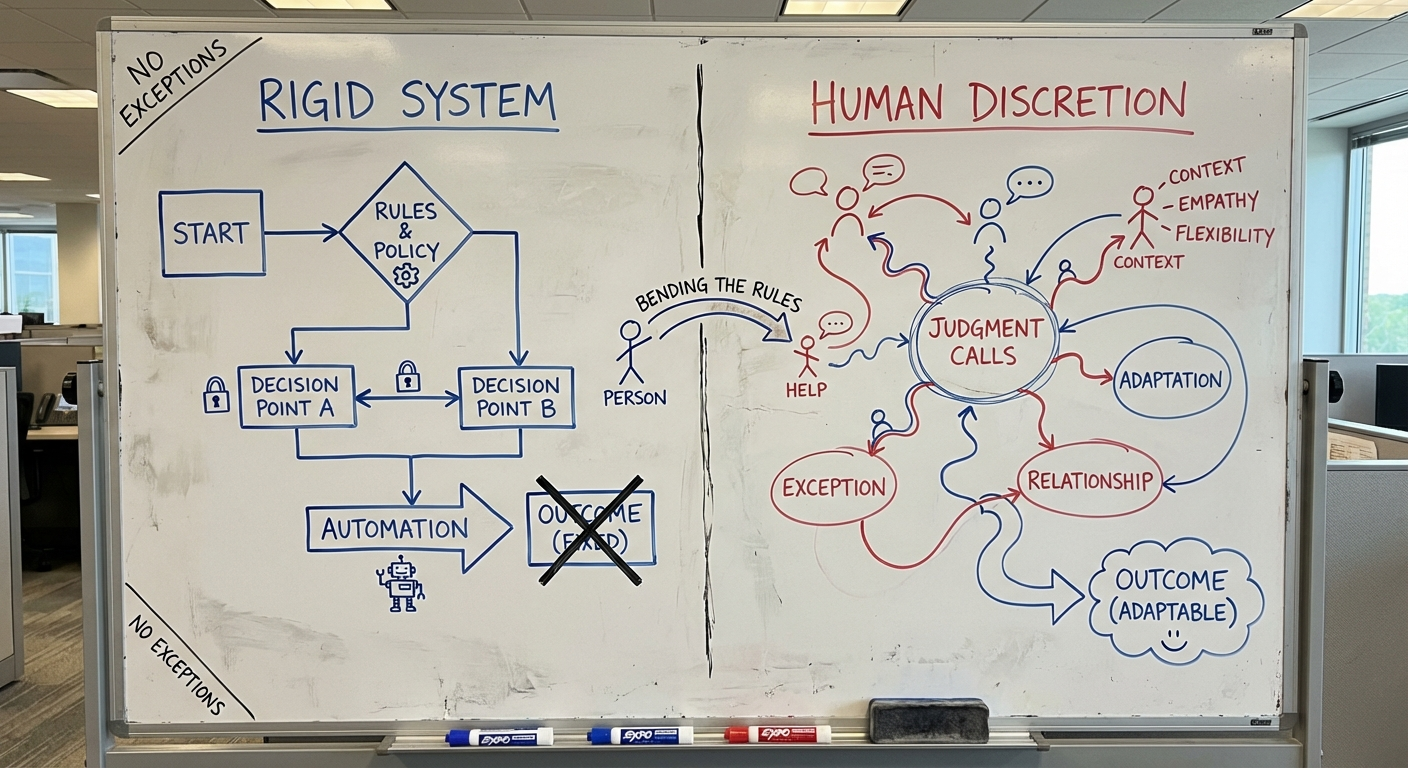
This was the story of the week, and it is not close. What started as reports of tension between Anthropic and the Department of Defense escalated into a full-blown ultimatum. Defense Secretary Pete Hegseth personally gave Dario Amodei a Friday deadline: agree to "all lawful use" terms for Claude, or face designation as a supply chain risk and get blacklisted from the entire military contractor ecosystem. That designation had previously only been applied to foreign companies.
The conflict erupted after reports that Claude was used during the raid that captured Venezuelan president Nicolas Maduro. Anthropic insists their technology should not power autonomous weaponry or facilitate lethal operations. The Pentagon insists tech companies do not get a say in how military operations are conducted. This is the first real collision between AI safety principles and national security demands, and it will set precedent for every AI company that follows.
New Models Drop: Sonnet 4.6 and Grok 4.20
Anthropic released Claude Sonnet 4.6, and the benchmarks tell the story: it delivers near-Opus performance at roughly one-fifth the cost. For enterprise buyers running inference at scale, that math changes everything. Meanwhile, xAI pushed Grok 4.20 into public beta. The model race continues, but the real trend here is not who is on top of the leaderboard this week. It is that the cost curve for frontier-quality intelligence keeps collapsing.
Gemini 3.1 Pro: Google's Multimodal Flex
Google launched Gemini 3.1 Pro, and the headline is multimodal capability. This model can process text, images, audio, and video natively. The release came alongside the AI Impact Summit in India, where the symbolic moment was Sam Altman and Dario Amodei refusing to hold hands during a photo op with Prime Minister Modi. Beyond the optics, India declared its ambition to become a global AI power with over $200 billion in combined data center commitments from Adani and Reliance Industries. The UN also used the summit to push for AI as a global public good, calling for affordable access to the Global South.
AI Productivity Gains Finally Show Up in the Data
For months, the question has been: where are the productivity numbers? They are here now. Macroeconomic data is starting to reflect real AI-driven productivity improvements. This matters because it moves the conversation from speculation to measurement. The gains are showing up in the sectors you would expect: software development, content production, customer operations. But the more interesting signal is that it is not just tech companies. Traditional industries are starting to register measurable output increases tied to AI adoption.
Claude Code Turns One, and It Changed Everything
Claude Code celebrated its first birthday, and the numbers are staggering. The tool is generating $2.5 billion in annual recurring revenue. Anthropic's own analysis found that nearly half of all API tool calls are related to software engineering. Claude Code did not just become a product. It eliminated the argument that AI coding tools were toys. A year ago, agent coding was a curiosity. Today, it is the primary use case for one of the largest AI companies on earth.
Apple's AI Wearables Push
Bloomberg reported that Apple is fast-tracking development on three AI wearable devices: smart glasses competing with Meta Ray-Bans, a pendant that functions as an always-on camera and microphone for Siri, and camera-equipped AirPods. The glasses are furthest along with several internal prototypes distributed and a December production target. The strategy is clear: Apple wants to own the physical interface layer for AI assistants. Low-resolution cameras on pendants and AirPods give Siri eyes and ears. The glasses go premium with high-resolution cameras and full audio.
The Anti-AI Movement Goes Mainstream
Time Magazine ran a cover story called "The People vs. AI," featuring nine individuals opposed to AI as currently constituted. The New York Times asked whether underwhelming public enthusiasm could burst the AI bubble. This is not an organized movement yet, but it is a recognizable media narrative now. The comparison to historical technology resistance is obvious, but dismissing it as Luddism misses the point. Public sentiment shapes regulation, and regulation shapes the market. This is a signal to watch, not to mock.
Why AI Could Matter More for Plumbers Than Programmers
A Fortune op-ed by FilterBuy CEO David Haycock made the case that AI's biggest impact will be on blue-collar business owners, not knowledge workers. The argument: small business operators in trades, manufacturing, and services have the most to gain from AI tools that handle scheduling, quoting, customer communication, and back-office work. These are people whose income is capped by how fast they can personally work. AI breaks that constraint. This is a growing theme as we move further into 2026, and it challenges the assumption that AI disruption is primarily a white-collar story.
This roundup covers episodes of AI Daily Brief from February 17-26, 2026. Listen to the full episodes for the complete discussions.